SOAR: Spacecraft Optimization of Aerodynamic Resistance
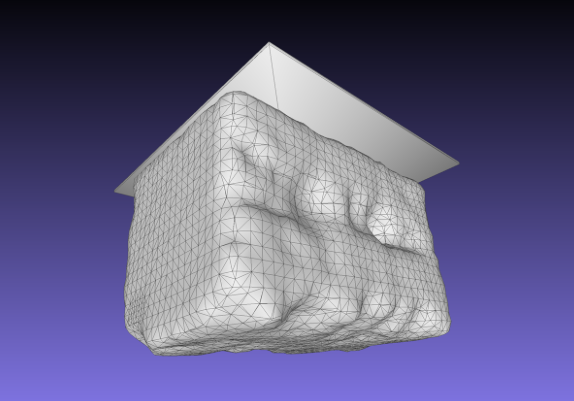
SOAR is exploring the evolutionary, multi-objective optimization and design of spacecraft geometries for high-drag, high-variability orbital environments. This includes operations in Very Low Earth Orbit (VLEO) and during space weather conditions where aerodynamic drag and atmospheric variability can dominate mission lifetime and operational risk.
Goal & Motivation
Operating in VLEO can enable higher-resolution Earth observations and lower-latency communications, but it also places spacecraft in an environment where aerodynamic drag and density variability can quickly erode altitude, tighten operations margins, and shorten mission lifetime. Space weather can amplify this risk: energy deposited into the upper atmosphere during geomagnetic activity can heat and expand the thermosphere, increasing neutral density at satellite altitudes and therefore increasing drag and orbital decay.
Public-case analyses of February 2022 satellite losses highlight how modest geomagnetic storms and off-nominal density conditions can translate into severe operational consequences for low-altitude assets, underscoring the need for improved, mission-aware approaches to drag-resilient spacecraft design [1, 2].
Primary objective
Optimize spacecraft designs for high-drag environments to improve survivability and efficiency in VLEO and during severe space weather.
What SOAR is building toward
A workflow for producing requirement-driven candidate geometries and actionable trade studies for mission teams as the capability matures.
Results & Updates
SOAR Phase 1 results are available in NASA JPL’s Interplanetary Network (IPN) Progress Report.
Key references
- Space Weather paper on February 2022 satellite losses and operational risk in LEO/VLEO. doi:10.1029/2022SW003330
- Space Weather paper on geomagnetic activity, thermospheric density variability, and drag impacts for low-altitude assets. doi:10.1029/2023SW003716
Who are we?
Contributing Team
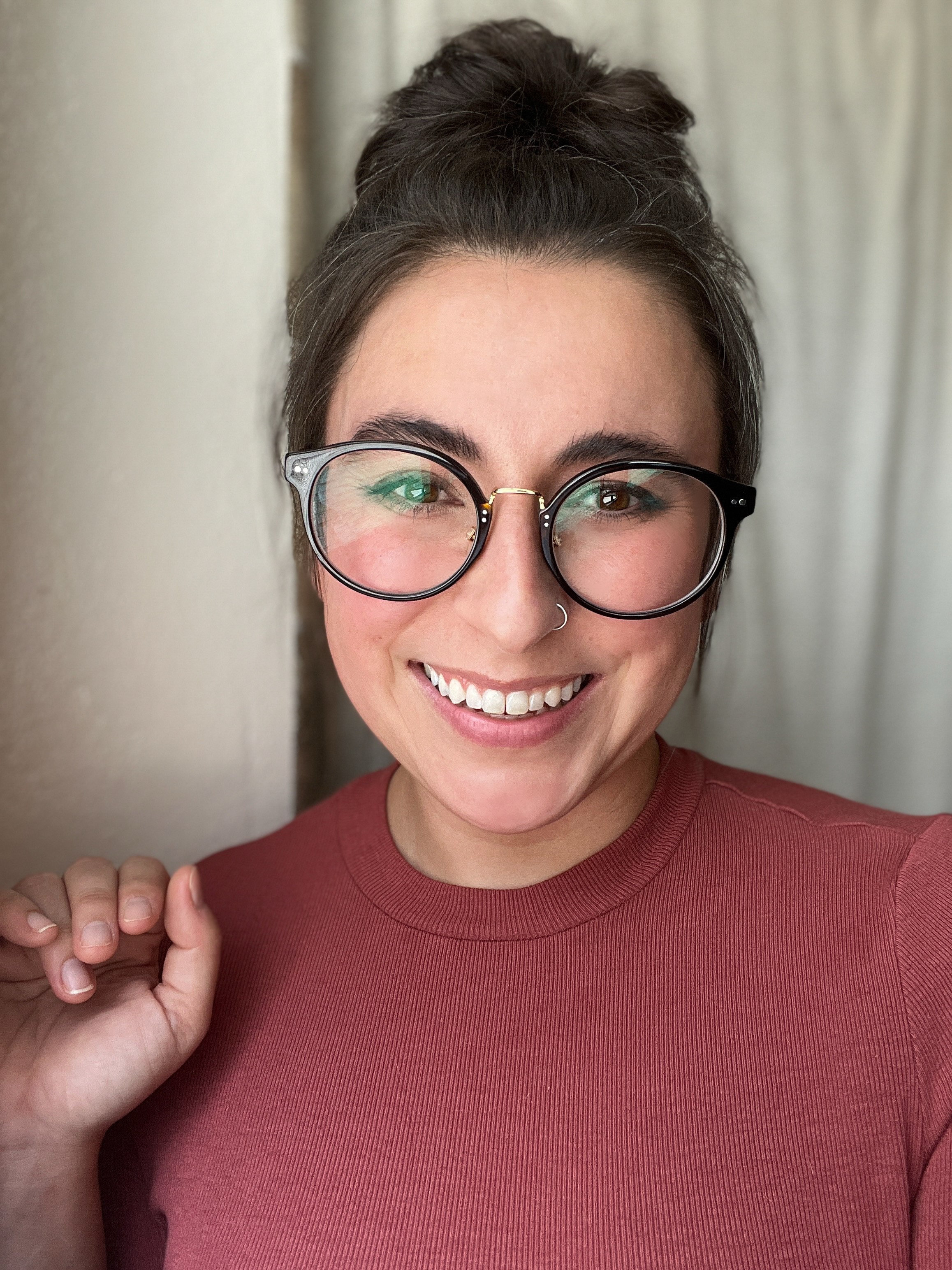
Dr. Julie Rolla

Dr. Emily Dolson
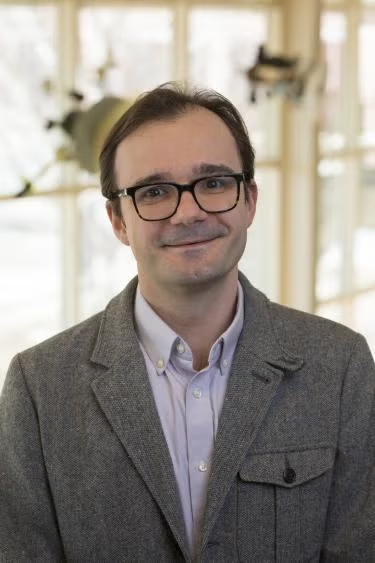
Dr. Marcin Pilinski

Dr. Anselmo Pontes
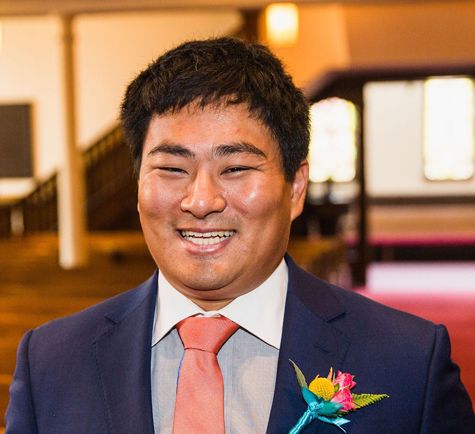
Dr. Kyle Helson

Dr. Olga Verkhoglyadova
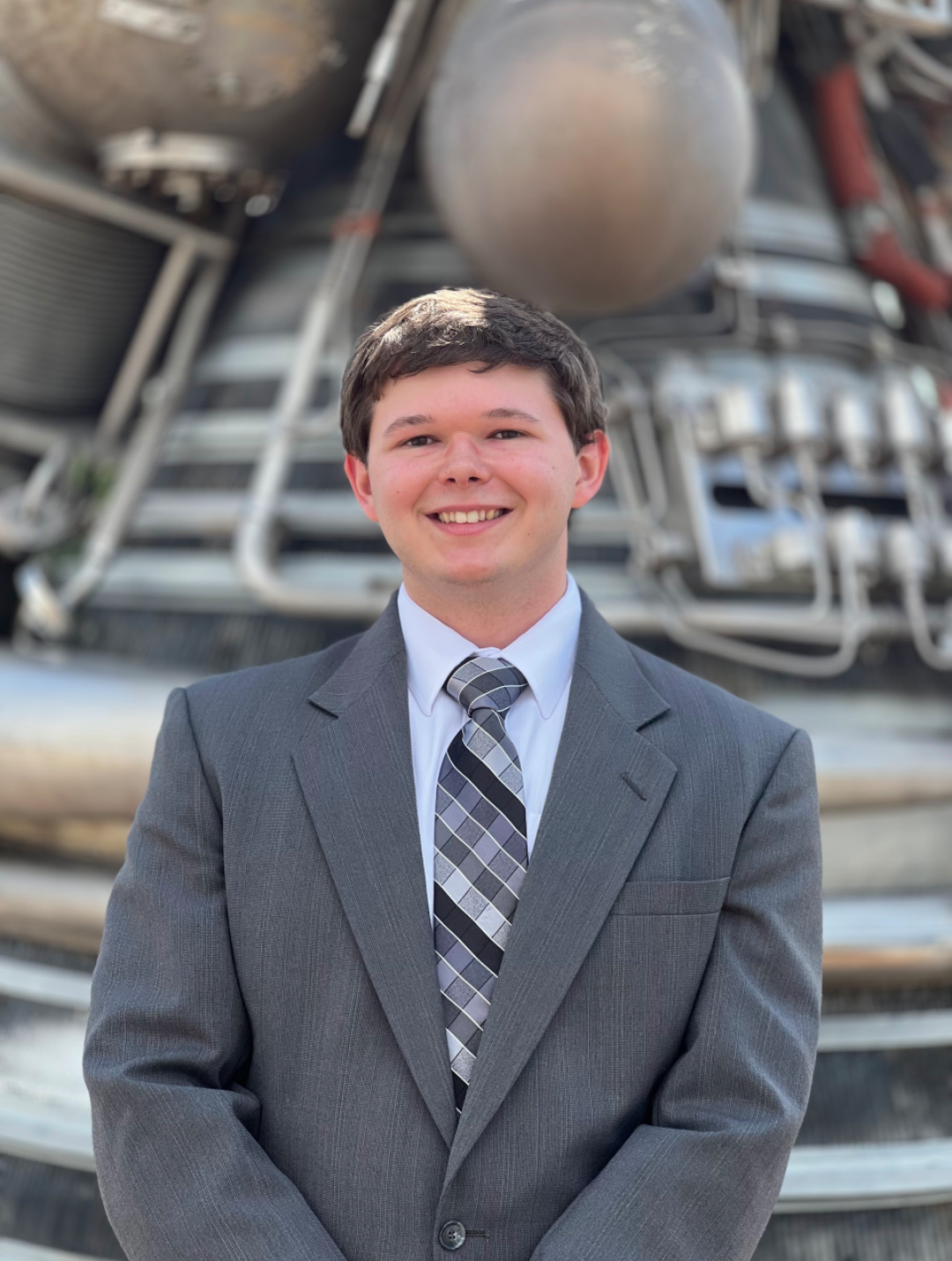
Rick Marcusen
Max Foreback
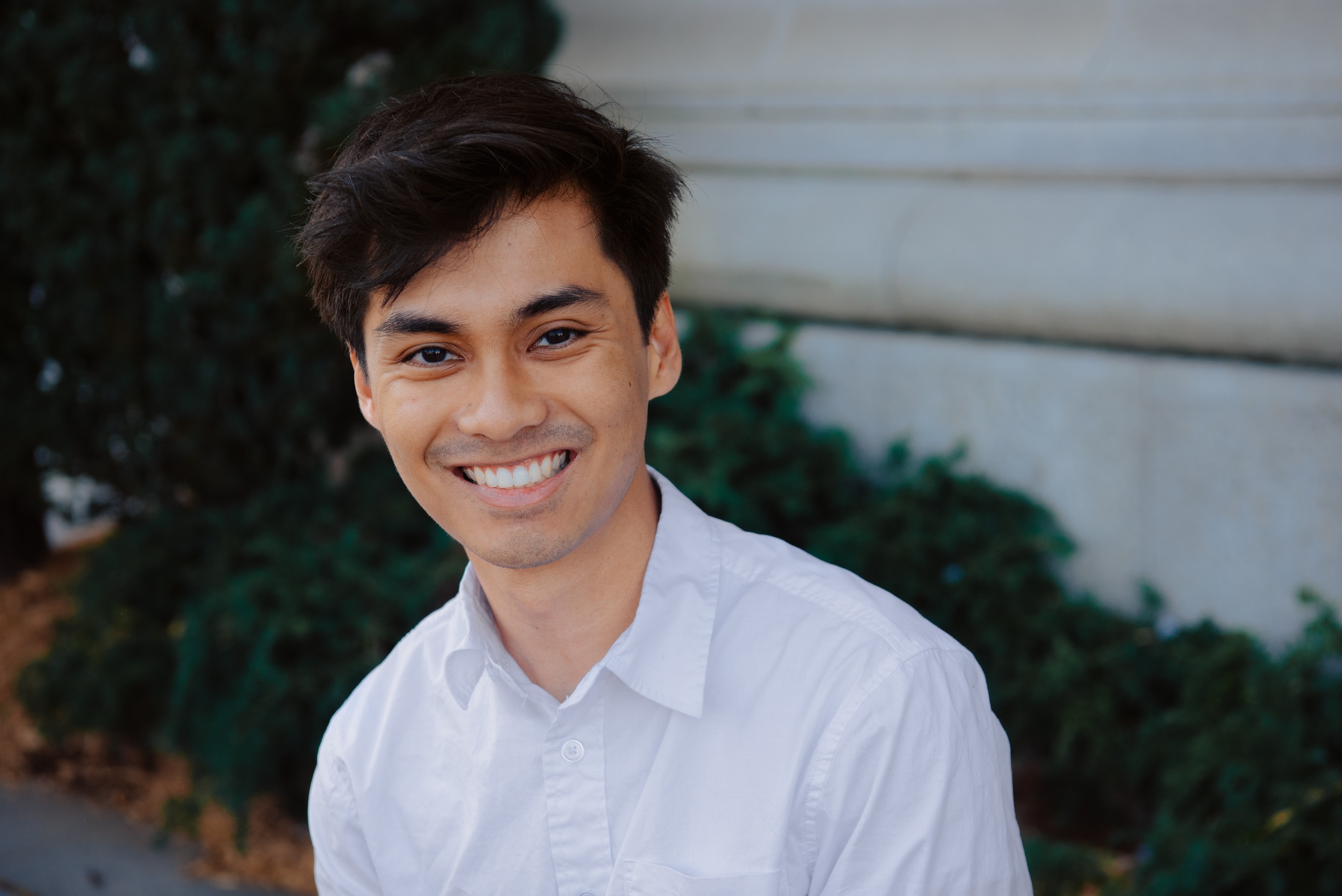
Evan Imata
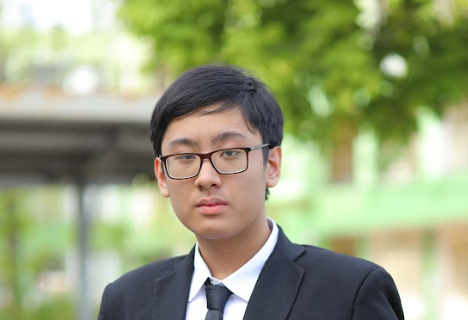
Minh Gia Nguyen